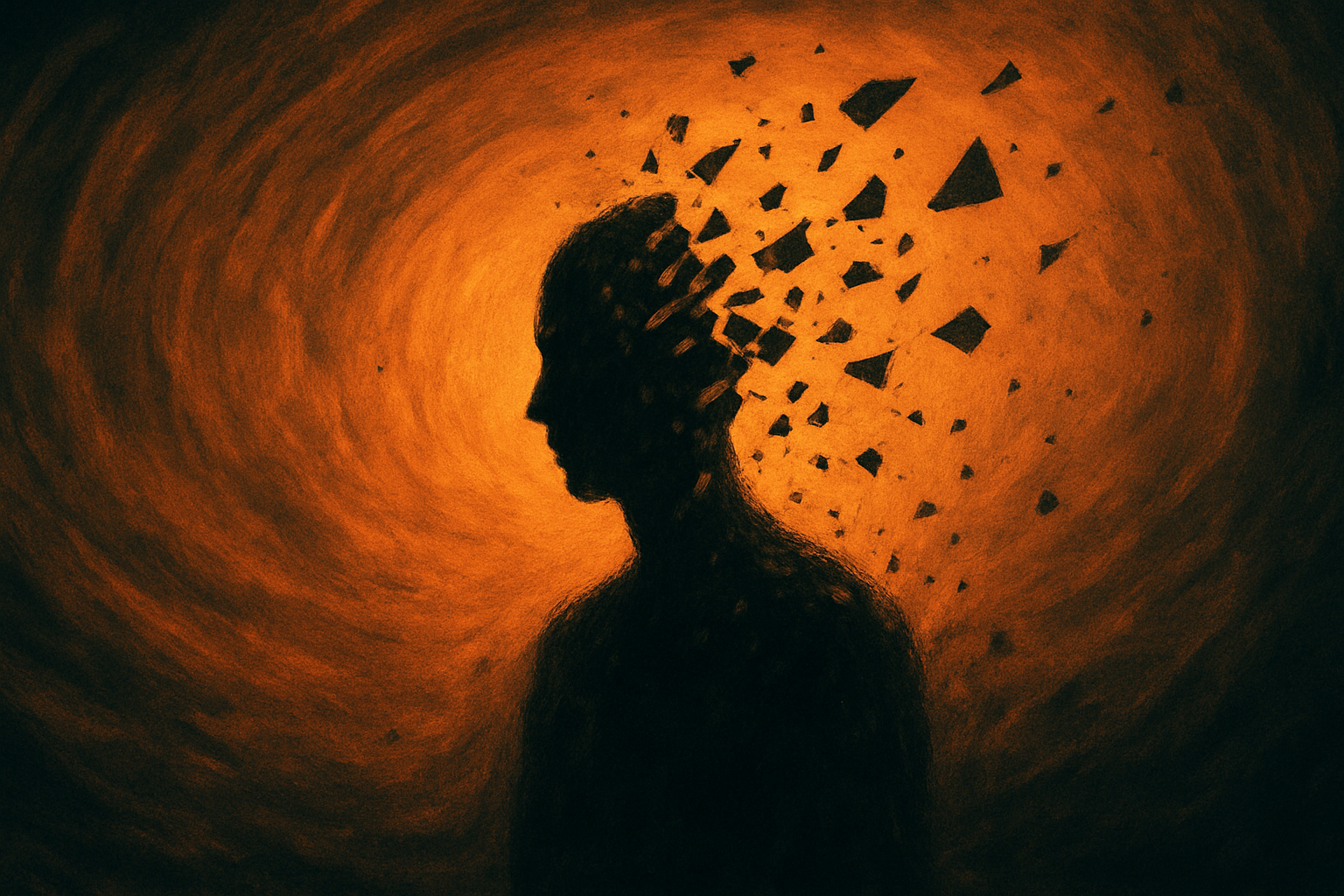
In a time when the rhythms of life are so fast-paced that moments are snatched away without us realizing it, many people live their days like pages turned too quickly to remember what was written on them. The study suggests that the "get it done now" culture has become the new social norm; slowness is now seen as laziness, while people brag about how busy they are all the time.This shift is reflected in the numbers: in the US, the percentage of people who feel "always in a hurry" rose from 24% in 1965 to 35% in the 1990s, while 52% of people regularly multitask, trying to use every minute as a unit of production to be fully utilized.
Recent data has shown that the average human screen time has dropped from 150 seconds in 2004 to less than 50 seconds today, while scientific reports indicate that people do not stay on one task for more than 47 seconds before moving on to another.As the ability to concentrate diminished, so did the space for deep reading; the percentage of those who read for pleasure every day fell by more than 40% in just two decades. These figures reveal that the modern mind lives under the pressure of non-stop stimuli, and that it no longer finds enough time to calm down, absorb what it experiences, or even form long-term memories away from the constant distractions.
The paper presents a humorous yet shocking experiment: when participants were asked to sit for 15 minutes without any activity, 67% of men and 25% of women preferred to subject themselves to mild electric shocks rather than sit with their thoughts in silence. This escape from contemplation is not just a passing behavior; it is an indication that humans have lost the ability to face themselves and that digital noise has become a refuge from facing the questions that give meaning to our lives.
With the advent of quick content such as short clips on TikTok, YouTube, and Instagram, the crisis has deepened. These platforms, with their endless scrolling designs and quick dopamine rewards, reprogram the user's attention to constantly seek new momentary pleasures.Neurological research has shown that repeated use of fast content platforms alters dopamine pathways in the brain in an addictive-like manner, and that students who consume this type of video for several hours a day show less ability to concentrate, lower academic performance, and difficulty following long lectures or reading deep texts. Life becomes a series of disconnected flashes, each one enjoyable but unconnected, leaving people unable to build a coherent internal "story" for their lives.
Statistics have shown that 60% of people buy things out of fear of missing out (FOMO), while 73% of the younger generation has admitted to spending money they don't have to fund social and recreational experiences for the same reason.However, this cycle - which starts with excitement and ends with boredom - does not produce real meaning because, according to the phenomenon of "hedonic conditioning," pleasure quickly loses its luster, and the person returns to the starting point in search of a new dose.
The paper explains that regaining meaning is not a distant dream. Breaking out of this spiral begins with deliberately slowing down the pace, returning to daily moments of reflection, and reshaping our relationship with time and technology. One experiment showed that limiting social media use to just 30 minutes a day resulted in a significant decrease in feelings of depression and loneliness within a few weeks. Choosing activities that grow slowly - deep reading, writing, real human relationships, learning a new skill - helps build a sense of inner fullness that restores a person's balance and compass.
The paper concludes that the issue is not the speed of the times, but that we allow it to sweep through our lives unconsciously. Meaning is not born from instant gratification, nor from the accumulation of quick experiences, but from the ability to stop, build, and connect the past with the present and the future. We can catch up with the times without losing ourselves, provided we do not let the noise hide what is more precious than time itself: who we are and why we live.
To view the video and read the full paper, please scroll down.
Comments